

mirelocke Logo Mirelocke Contact Us
Contact Us

Exploring the Restored Cloisters

A guided journey through Jerpoint Abbey's beautifully restored medieval courtyard and its remarkable architectural heritage

10 min read Intermediate June 2026
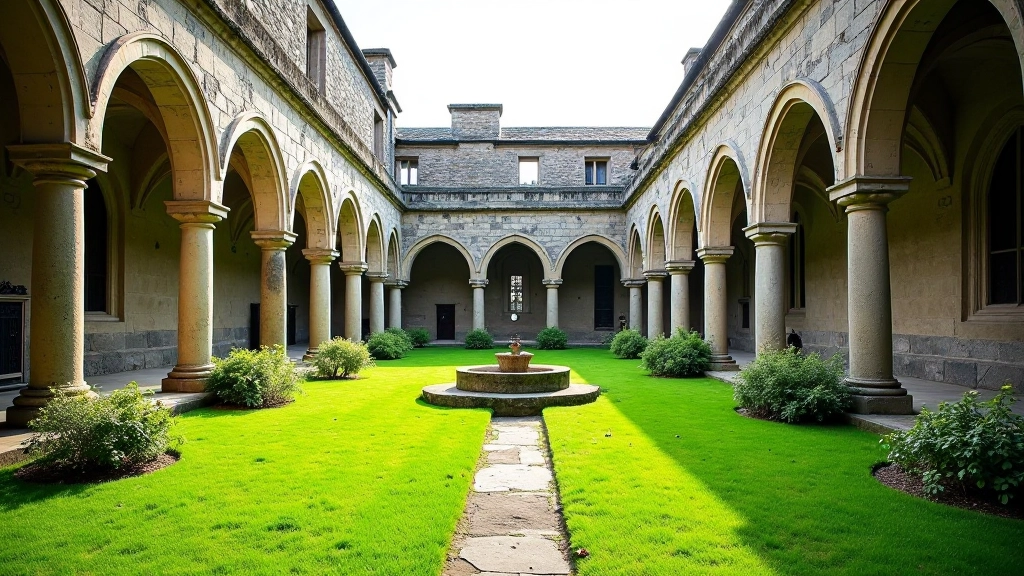
Restored cloister courtyard with stone arches and manicured garden center at Jerpoint Abbey
Síle O'Mahony

Síle O'Mahony

Senior Heritage Tourism Specialist

Heritage tourism specialist with 14 years' experience in accessible Irish monastic sites and guided walks.

Medieval Architecture Comes Alive

The cloisters at Jerpoint Abbey represent something truly special. You're standing in a space that monks walked through for over 400 years, and thanks to careful restoration work over the past two decades, you can actually see what they saw. The quadrangle measures roughly 90 feet on each side — not enormous, but intimate in a way that makes you understand how daily life unfolded here.

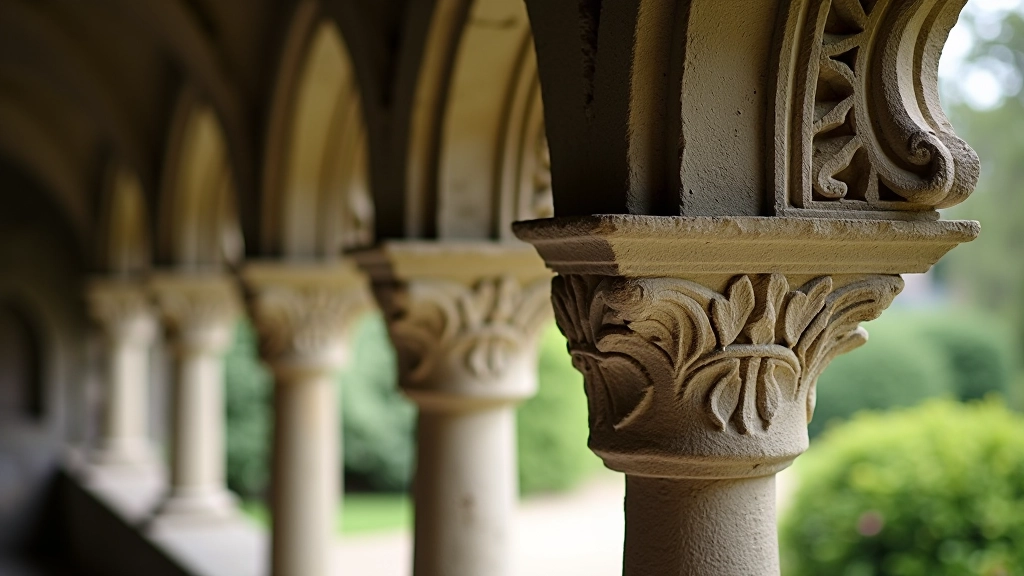
What makes the Jerpoint cloisters distinctive isn't just their age. It's the craftsmanship visible in every carved stone. The arches aren't uniform — they vary slightly, showing the hands of different medieval masons at work. Some capitals have leaf designs, others feature geometric patterns. If you look closely, you'll spot marks where stonemasons signed their work.

Close-up of medieval stone arches and carved capitals in the Jerpoint Abbey cloisters
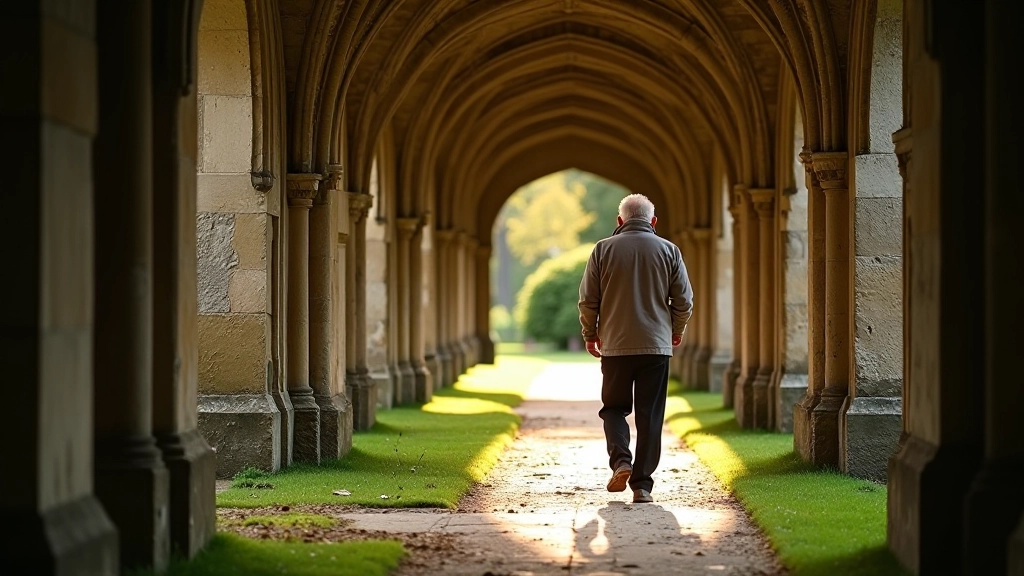
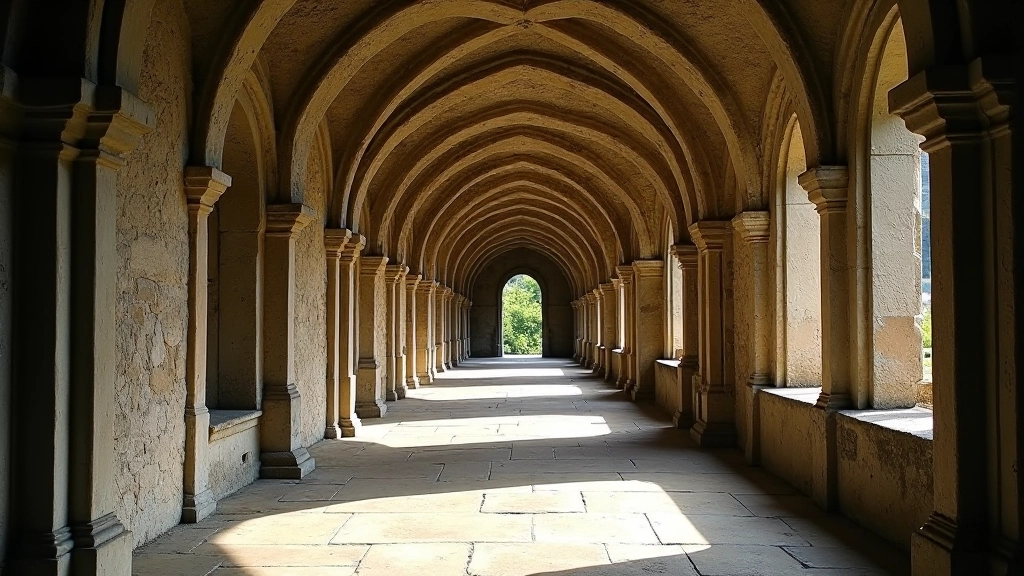
Weathered stone archways and columns in the restored Jerpoint Abbey cloister walkway

Understanding the Layout

Cloisters follow a pattern that's been used in monasteries since the 6th century. The covered walkways allowed monks to move between different parts of the abbey during harsh weather without leaving shelter. On the ground floor, you'll see the ambulatory — that's the covered corridor you're walking through. The arches open toward the central garth, which in medieval times was the cloister garden.

At Jerpoint, the north side connected to the abbey church. The east side led toward the chapter house and dormitories. The south and west sides provided access to the refectory and kitchens. Walking this circuit, you're essentially retracing the daily routes of Cistercian monks from the 13th century onward. Many of them would've made this same walk dozens of times each day.

The restoration project, which took several years, carefully preserved original stonework while replacing only the most damaged sections. You can actually see where new stone has been added — it looks slightly fresher, but the masons matched the color and style carefully. It's not trying to hide the repairs, just blend them respectfully.
What to Look For

Distinctive architectural elements that reveal centuries of monastic life

The Cloister Arcade

The series of pointed arches that line the walkway. These aren't just decorative — they're load-bearing structures that've held up for 700+ years. Notice how the arches vary slightly. Medieval masons didn't have modern precision tools.

Stone Capitals

The carved tops of columns that support the arches. Some feature simple geometric designs, others show foliage patterns. Running your hand along them gives you a tactile sense of the craftmanship involved.

The Central Garth

The open courtyard in the center. In medieval times, this held the cloister garden — herb beds, medicinal plants, and sometimes a well. Today it's maintained as a green space that anchors the whole structure.

Weathering Patterns

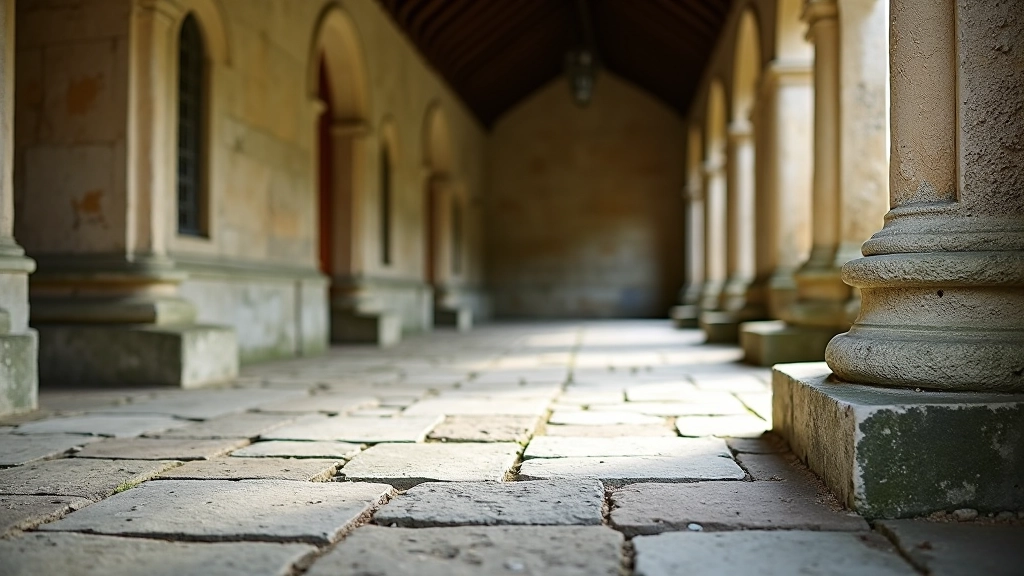
Look at the wear patterns on the floor and lower walls. Centuries of footsteps have literally worn grooves into the stone. That's not damage — that's evidence of continuous use across generations.

Mason's Marks

Carved symbols and initials left by medieval stonemasons. They're subtle, but once you know to look, you'll spot them. Each mason had their own mark — a way of claiming their work.

Window Placement

The small windows opening from the covered walkway toward the outer buildings. They provided light for reading and manuscript work during the day, which monks often did in the cloister.

Making the Most of Your Visit

The cloisters are best visited early morning or late afternoon. You'll get softer light that reveals the texture of the stone beautifully. The angle of the sun changes the whole character of the space — shadows from the arches create striking patterns on the walkway floor.

Take your time walking the perimeter. Most people rush through in 10-15 minutes, but there's real value in lingering. Sit on one of the benches positioned in the walkway and just observe. Watch how the light moves across the arches. Listen to how sound carries differently under the covered walkway versus in the open courtyard.

The restoration hasn't changed the fundamental character of the space. It still feels contemplative, still has that sense of retreat that medieval monks were seeking. You're not looking at a reconstructed theme park — you're standing in an actual medieval building that's been carefully maintained.

Don't miss the details. Bring a magnifying glass if you can — the mason's marks and carved patterns become fascinating under closer examination. Take notes or sketches. Photography works well here, but honestly, the camera misses some of what your eye picks up when you're present in the space.

Visitor walking through the cloister walkway at Jerpoint Abbey, experiencing the medieval architecture firsthand
Detailed view of stone floor and architectural details in the Jerpoint Abbey cloisters

Accessibility and Practicalities

The cloister walkway is fully accessible. The surface is stone, so it's firm and even — no tripping hazards, though the stones can be slightly slippery when wet. If you're using mobility aids, there's plenty of space to move comfortably. The walkway's width varies slightly, but it's never narrow.

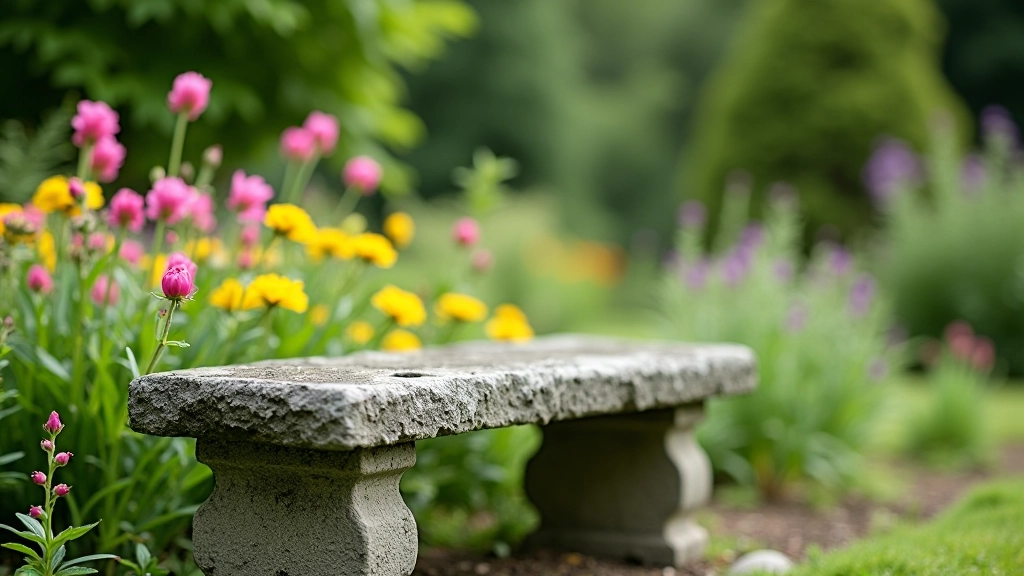
There are benches positioned along the walkway where you can rest. The shaded covered area means it stays cool even on warm days. If you've got breathing difficulties, you'll appreciate that there's no rushing required — the space invites slow, deliberate exploration.

Bring water, especially in summer. While the shade helps, there's no water fountain in the cloisters themselves. The visitor center has facilities. Also, the stone surface does reflect light, so sunglasses are helpful if you're sensitive to glare.

Dogs aren't allowed inside the cloister area, so plan accordingly if you're visiting with a pet. But the abbey grounds are beautiful for a walk, so you won't feel like you're missing out.

Why the Cloisters Matter

The restored cloisters at Jerpoint Abbey aren't just a historical artifact. They're a physical record of how people lived, worked, and thought centuries ago. When you walk those covered passages, you're moving through the same space where medieval monks read, prayed, and contemplated. That's powerful, whether you're a history enthusiast or just curious about the past.

What makes Jerpoint special is that the restoration respects the authenticity of the space. It's not trying to turn the medieval into the modern. Instead, it's asking visitors to step back and experience what monks experienced — the rhythm of walking a quiet corridor, the play of light through arches, the tactile reality of ancient stone.

If you're visiting the abbey, don't skip the cloisters. They're the heart of the monastic experience, and they're genuinely accessible for visitors of all abilities. You'll leave with a deeper understanding of medieval religious life and an appreciation for craftsmanship that's endured for seven centuries.

About This Guide

This article is educational material about the historical features and visiting experience of Jerpoint Abbey's cloisters. While we've worked to ensure accuracy based on historical records and current site conditions, details about the abbey and its facilities can change. We recommend checking with Jerpoint Abbey directly before planning your visit, particularly regarding opening hours, accessibility accommodations, or special events. This guide doesn't constitute professional historical or archaeological advice — it's intended to enhance your understanding and appreciation of the site.