Best Times to Visit the Gardens
Spring and early summer offer the most vibrant blooms. We've covered what to expect each season and how crowds vary throughout the year.

Spring: When Everything Awakens
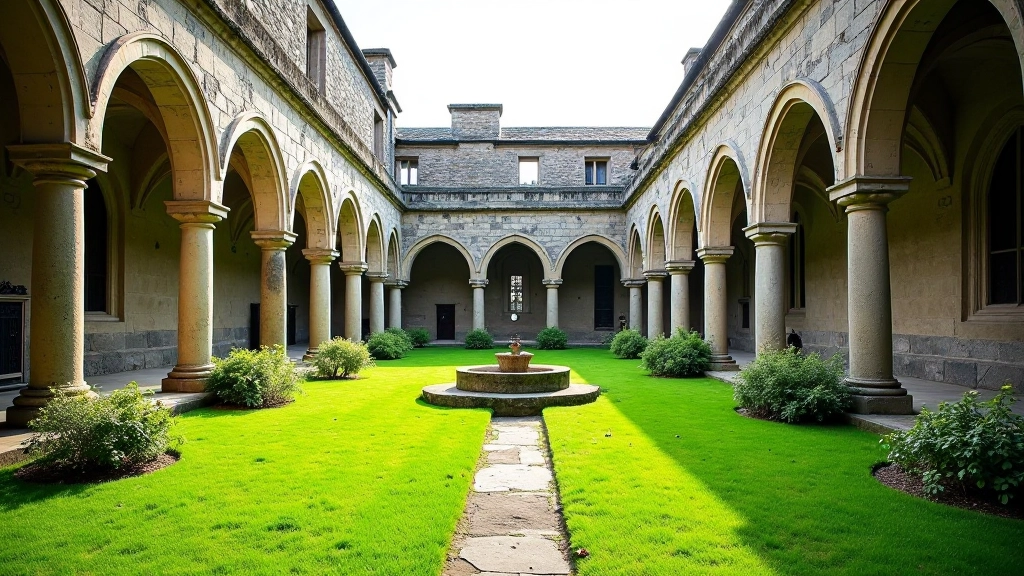
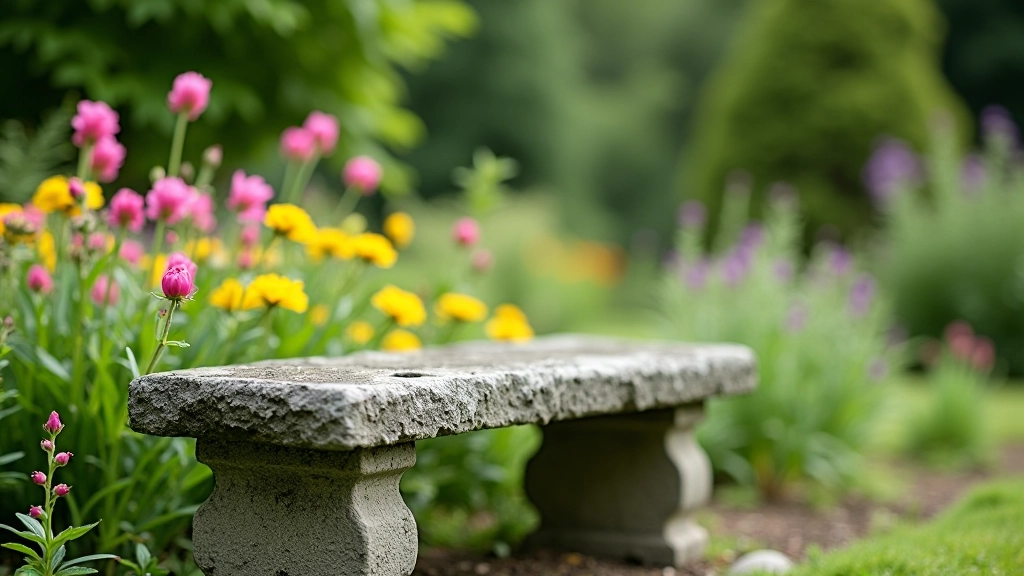
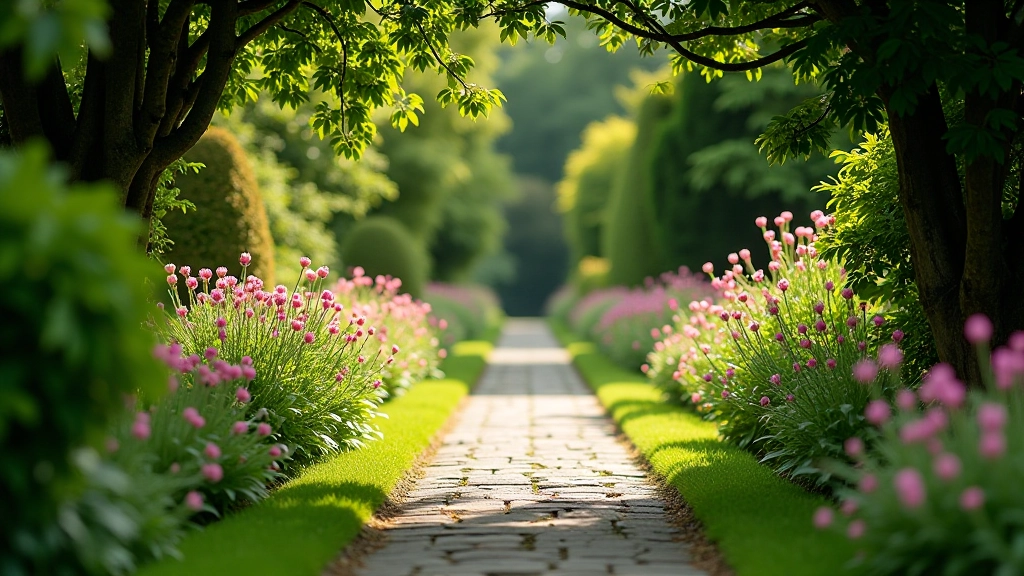
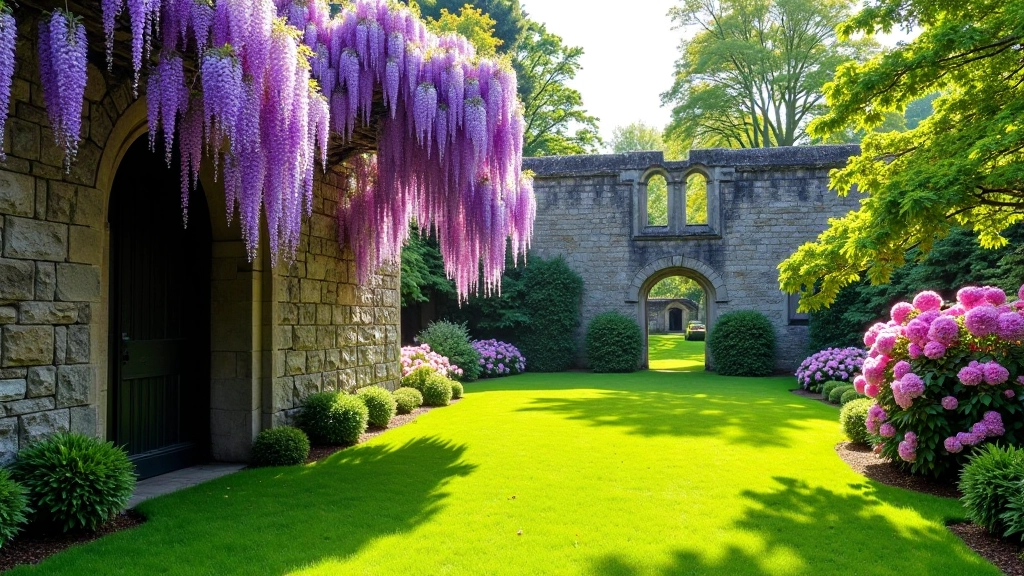
March through May transforms the abbey grounds into a riot of color. The wisteria clings to the stone walls in cascades of purple, while the rhododendrons burst open in shades of pink and red. You'll notice the garden really comes alive in late April — that's when everything hits its stride.
Crowds are moderate during spring, which means you can actually enjoy the quiet corners without bumping into tour groups. The walking paths aren't muddy like late autumn, and the temperatures hover around 12-16°C — perfect for a comfortable stroll without overheating. Morning visits work brilliantly. You'll catch the light hitting the cloisters just right, and the air's fresher before midday.
Fair warning though: April showers are real. We've found that bringing a light waterproof jacket doesn't ruin the experience — it just means you stay longer because most people head inside when rain starts. That's actually when you get the gardens to yourself.
Early Summer: The Peak Season
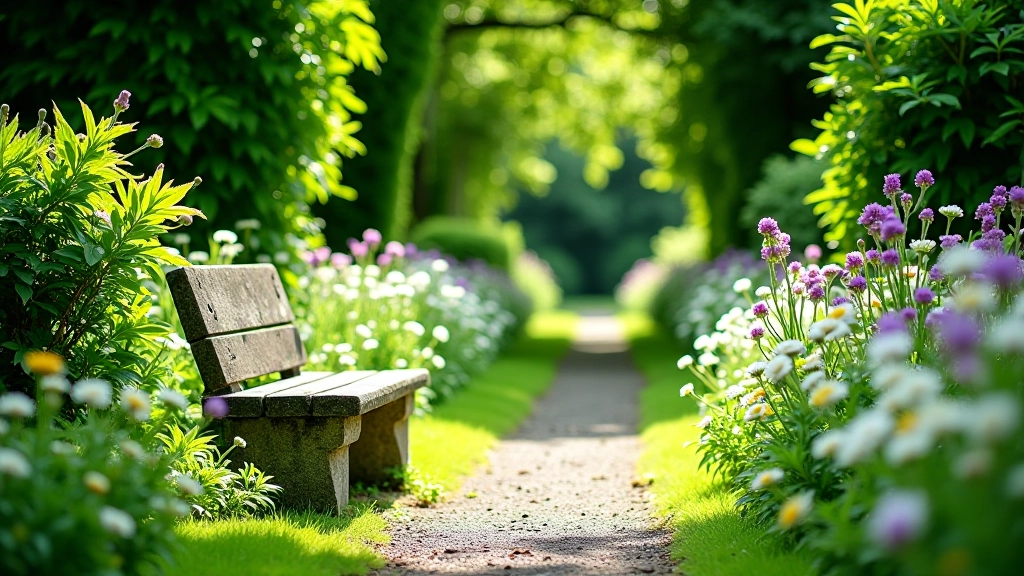
June is honestly the sweet spot. Everything's bloomed, the days are long (sunset's after 9 PM), and the weather's genuinely warm. You're looking at temperatures around 18-20°C during the day, which is ideal for leisurely walking. The rose garden comes into its own now — reds, creams, and apricot tones you wouldn't see elsewhere on the grounds.
This is when most visitors show up, so plan your visit carefully. Early mornings (before 10 AM) are considerably quieter. The late afternoon window between 4-6 PM also tends to be calmer, and you'll get better light for photography. We've noticed that weekday visits in June are significantly less crowded than weekends — Tuesdays and Wednesdays are particularly peaceful.
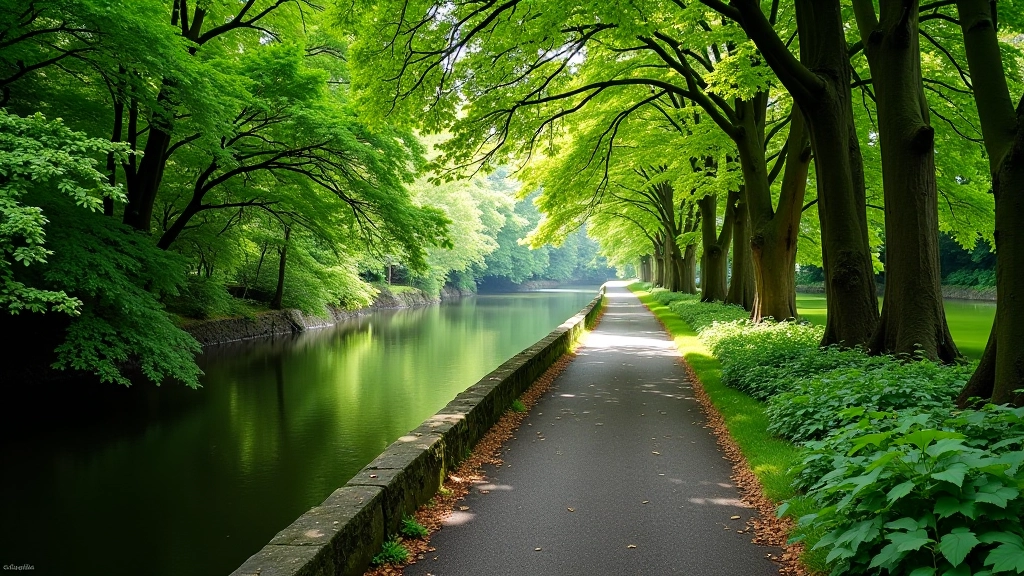
The riverside path is at its best in early summer too. The water level's stable, the banks are lush, and you won't be fighting through overgrown vegetation. It's genuinely comfortable walking for anyone with mobility considerations.
Autumn: Changing Colors and Quieter Paths
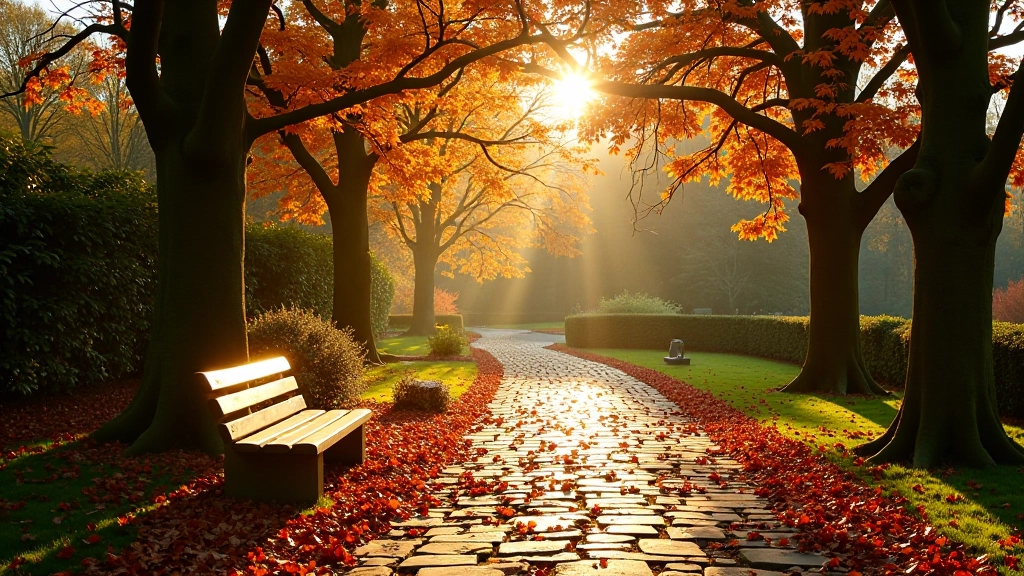
September and early October bring something different — it's not the explosion of spring, but it's got its own beauty. The light changes quality, becoming softer and more golden. Temperatures drop to around 14-18°C, which some visitors actually prefer for walking. You're not overheating, and there's a real sense of the season shifting.
The crowds thin out noticeably after the school holidays end. Families with young kids aren't visiting, so paths feel spacious. You'll encounter serious walkers and photography enthusiasts mostly — people who genuinely want to spend time here. Dahlias and late-blooming asters provide color right through to November if the frost holds off.
There's a catch: paths can get muddy and slippery. The stone walkways hold moisture longer than you'd think, especially under the tree canopy. Proper footwear with grip is essential. The riverside path becomes slightly overgrown — nothing dramatic, just vegetation that's not been trimmed back yet. It's still walkable, just requires a bit more attention underfoot.
Winter: Quiet and Architectural
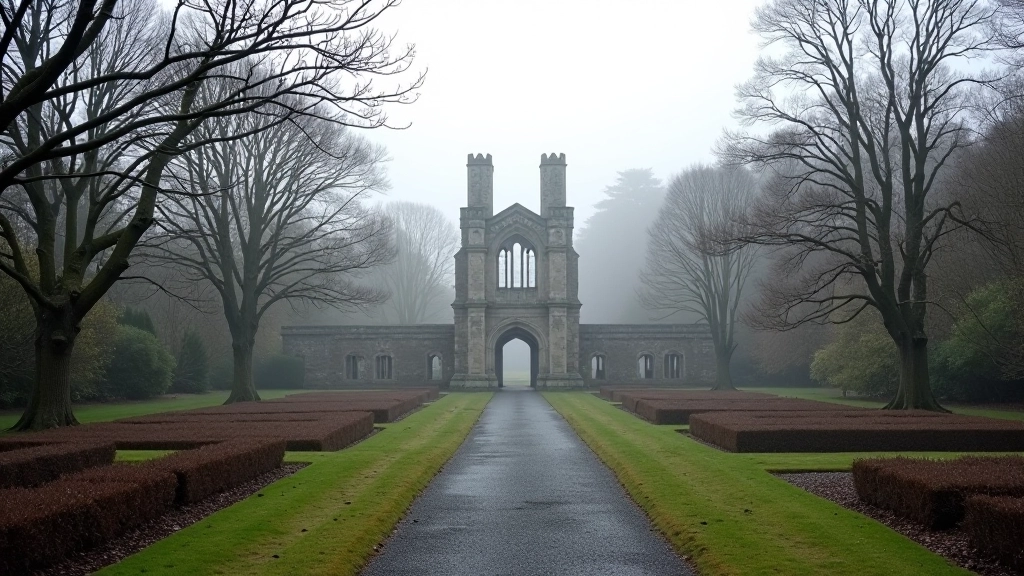
December through February is genuinely different. There's almost nobody here. The garden strips back to its bones — you're really seeing the architecture and the bones of the landscaping. Without foliage, the stone structures become the focus. It's not colorful, but it's honest and beautiful in a stark way.
Temperatures drop to 4-8°C, so you're dressing warmly, but the actual walking isn't strenuous. Paths can ice over after frost — this is the one season where you need to be cautious about slipping. The riverside path gets considerably narrower when vegetation's gone and water levels are higher. It's still passable, just requires careful footing.
Winter's brilliant if you want solitude or serious photography. The light's low and slanting, which photographers love. There's something contemplative about walking through a dormant garden. Most facilities stay open, though some seasonal services close. Check ahead before visiting.
Planning Your Visit: Key Considerations
Crowds & Timing
Visit early morning (before 10 AM) or weekday afternoons for fewer visitors. June-August sees peak tourist numbers. September-May is considerably quieter, especially on Tuesdays and Wednesdays.
What to Wear
Spring/summer: Light layers and waterproof jacket. Autumn/winter: Warm coat, proper footwear with grip (stone can be slippery). Hat and sun protection essential in June-July.
Walking Difficulty
Riverside path is flat and accessible. Abbey gardens have some slopes but manageable. Winter paths can ice over. Spring/autumn can get muddy. Summer's most straightforward for mobility.
Best for Photography
Late April-May for color. Early morning June for light and blooms. Autumn for golden hour. Winter for architectural clarity and low-angle light.
The Bottom Line
There's honestly no wrong time to visit. What matters is matching the season to what you're looking for. Want maximum color and warmth? Go June-July. Prefer quietness and don't mind cooler weather? October-November works brilliantly. Looking for solitude and dramatic architecture? Winter's your season.
We've found that most first-time visitors gravitate toward late spring because it's warm, colorful, and accessible. But regular visitors often prefer autumn or winter because they get the place mostly to themselves. The gardens have something distinct to offer in every season — it just depends what kind of experience you're after.
Check opening hours and weather forecasts before you go, wear appropriate footwear, and give yourself at least 90 minutes to walk the grounds properly. You'll find the pacing works better that way — you're not rushing, you're actually noticing things.
Information Disclaimer
This article provides general information about visiting times and seasonal conditions at Jerpoint Abbey gardens. Weather patterns, opening hours, and accessibility may change. We recommend checking the official abbey website or contacting them directly before planning your visit to confirm current conditions, facility availability, and any seasonal closures. Individuals with mobility concerns should inquire specifically about path conditions and accessibility services available during your intended visit time.
Related Articles