Best Times to Visit the Gardens
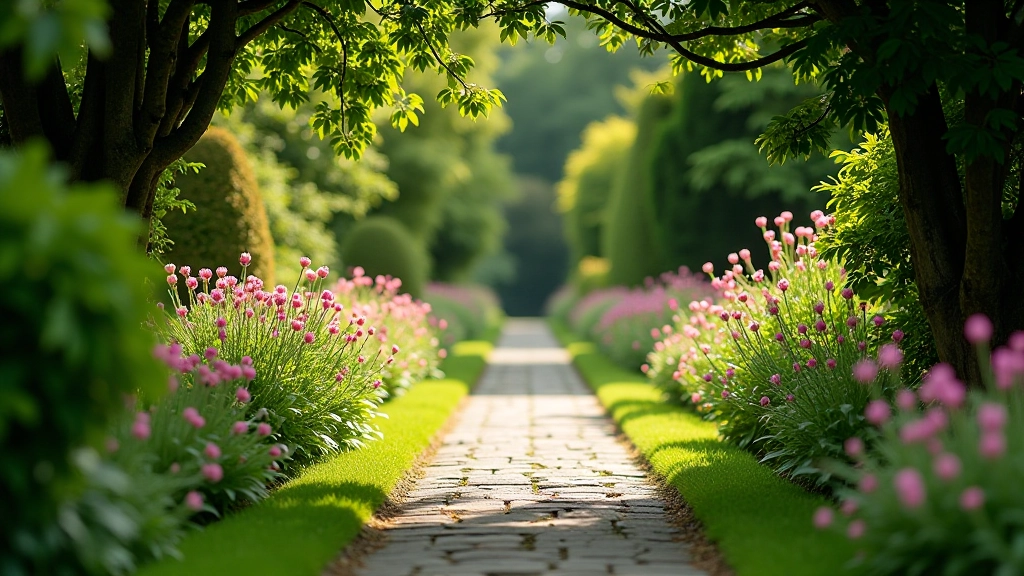
Spring and early summer offer the most vibrant blooms. We've covered what to expect in each season.
A flat, easy mile along the water with plenty of rest stops and stunning views of Jerpoint Abbey from across the river.
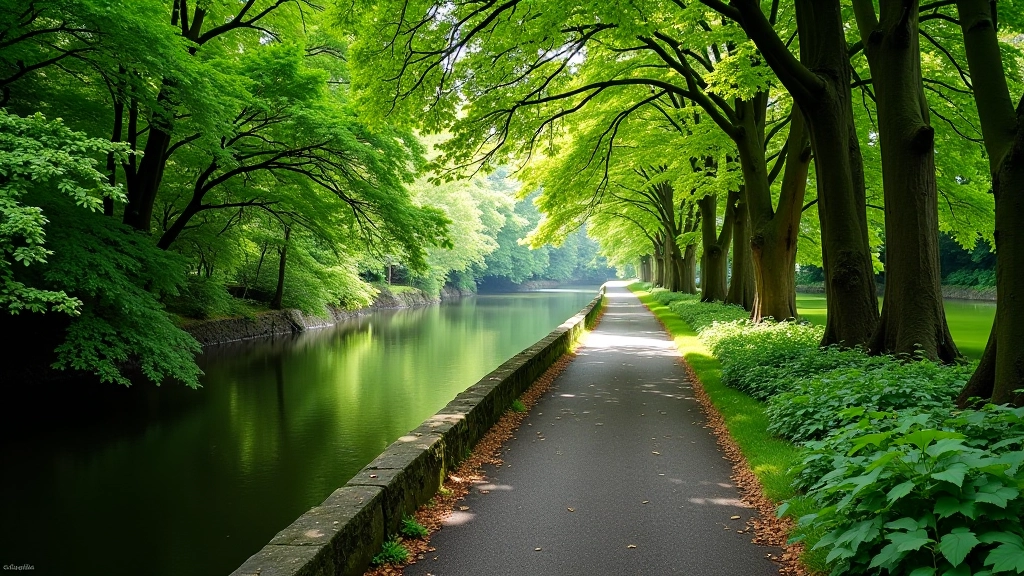
If you're looking for a gentle introduction to the Jerpoint Abbey grounds, you've found it. The Riverside Path isn't demanding — it's designed for people who want to enjoy the scenery without struggling with steep terrain or rough ground.
We've walked this route with visitors of all ages and fitness levels. What makes it special isn't just the flat path. It's the water. You'll have the river on one side for almost the entire walk, and that constant presence of moving water has a way of slowing your pace naturally. You're not rushing. You're noticing things.
No climbs, no steps, no sudden drops. Just even ground the whole way.
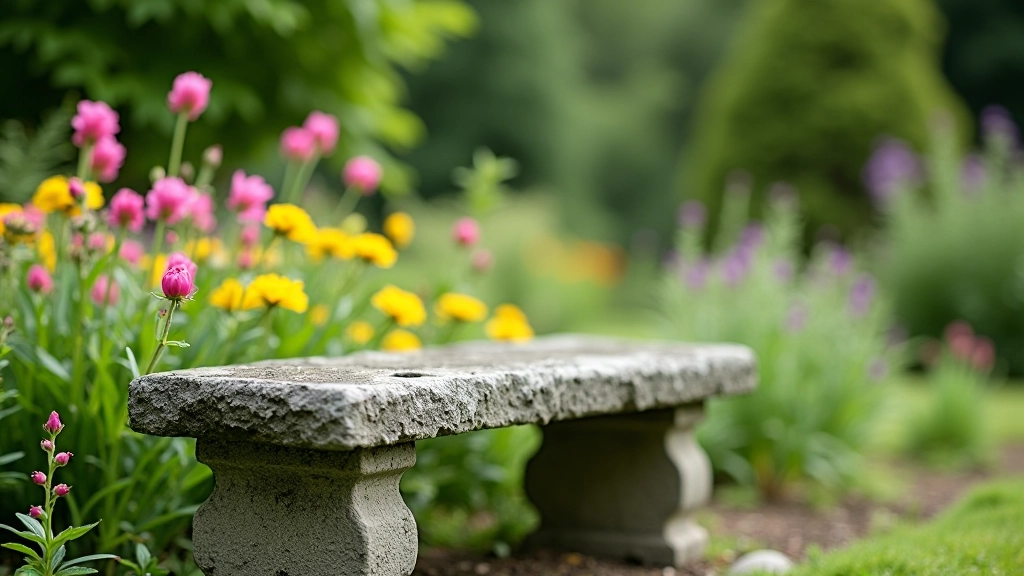
You'll never be far from a place to sit and rest. Perfect for taking in the views.
The ruins look magnificent from the far bank, especially in afternoon light.
The path starts near the main car park, where you'll see a small wooden sign pointing toward the riverside. Don't expect manicured gardens here — this is the working side of the estate, closer to nature. The path itself is gravel and packed earth, well-maintained but not paved.
Your first 15 minutes takes you alongside the river where it widens. You'll notice the water changes color depending on the weather and time of day. On overcast mornings, it's almost slate-grey. By afternoon sun, it picks up greens and golds from the surrounding trees.
At about the halfway point, there's a wider clearing where locals sometimes fish. If you're visiting in spring, the bluebells here are genuinely worth the walk. But honestly, they're not the real draw. What keeps people coming back is the quietness. You hear the water, maybe some birds. Not much else.
The return journey retraces the same path. Most people take about 45 minutes to an hour for the full walk, with breaks. That's not a slow pace — that's just real-world walking with a couple of stops to breathe and look around.
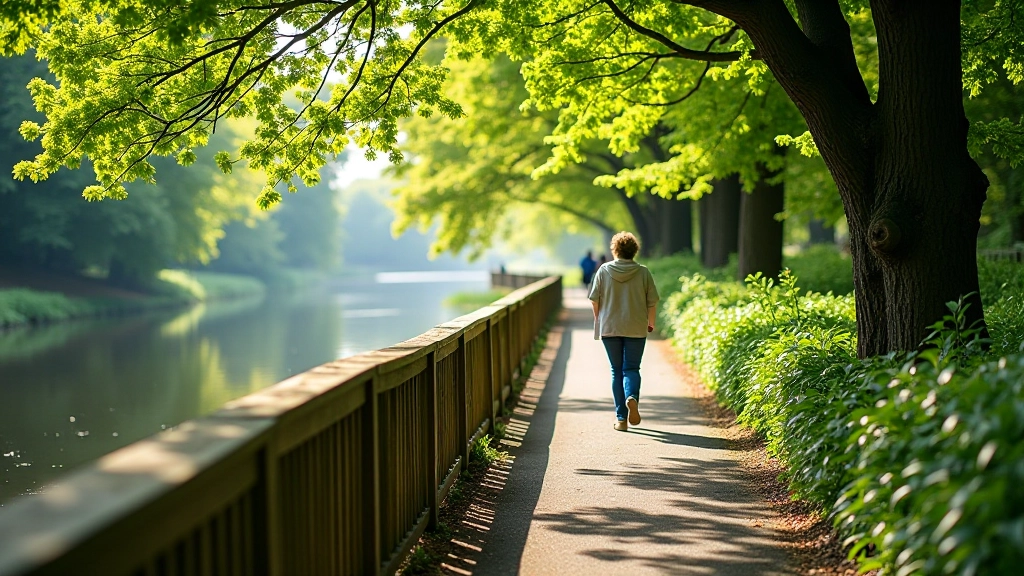
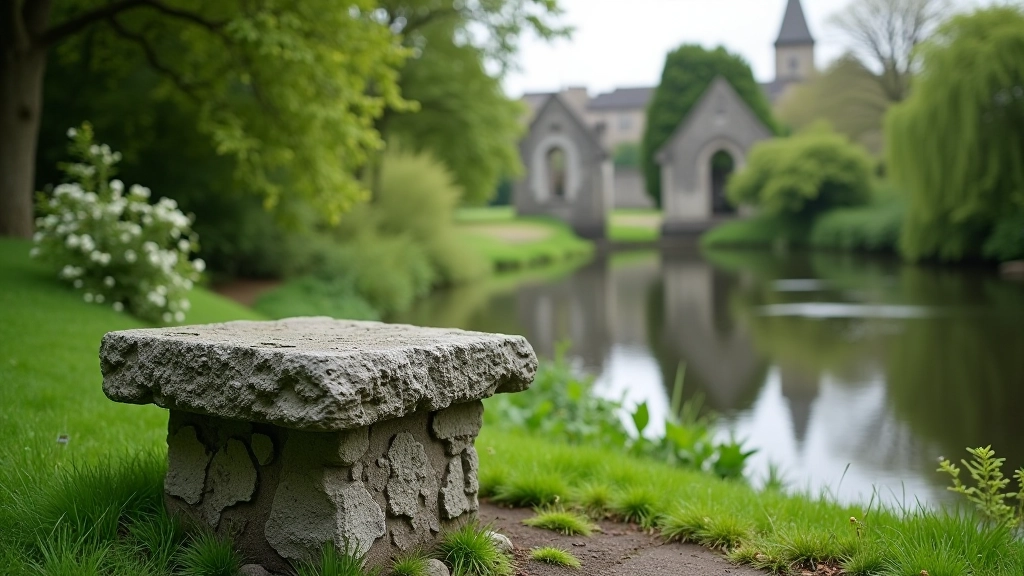
The path surface varies. Most of it's gravel, but there are sections where tree roots have created slight undulations in the ground. Nothing treacherous — just something to be aware of if you're using a walking stick or have mobility concerns. The railings along the water side are sturdy and well-anchored, so if you want to use them for balance, they're there.
Wear appropriate footwear. Not hiking boots necessarily, but something with decent grip. The path can be muddy after rain, and you don't want to slip on gravel. In summer, it dries out nicely. In winter, it can be slippery even when it looks dry.
There's no formal restroom facility along the path itself. You'll need to use facilities near the car park before or after. Water? Bring your own. There's no drinking water available on the route.
Dogs are welcome, but they need to be under control — the path runs alongside the river, and some dogs get over-enthusiastic about water. Keep them on a short lead, especially around the benches where you might encounter other walkers.
Spring (April–May) brings wildflowers along the bank and the river runs high with snowmelt from higher ground. It's visually stunning but the path can be wetter. Summer (June–August) is the most popular time. The path dries out, and you get the longest daylight hours. That said, it gets busier. If solitude matters to you, go on a weekday morning.
Autumn (September–October) is genuinely underrated. The trees turn, the crowds thin out, and the light gets that golden quality that photographers chase. It's cooler, so you won't overheat even if you're moving slowly. Winter is walkable but can be muddy and the days are short, so you'll want to start early if you want daylight for the whole route.
Avoid walking alone in late evening, not because of danger but because the light goes quickly and the path isn't lit. If you're planning a late-afternoon walk, check the sunset time and plan accordingly.
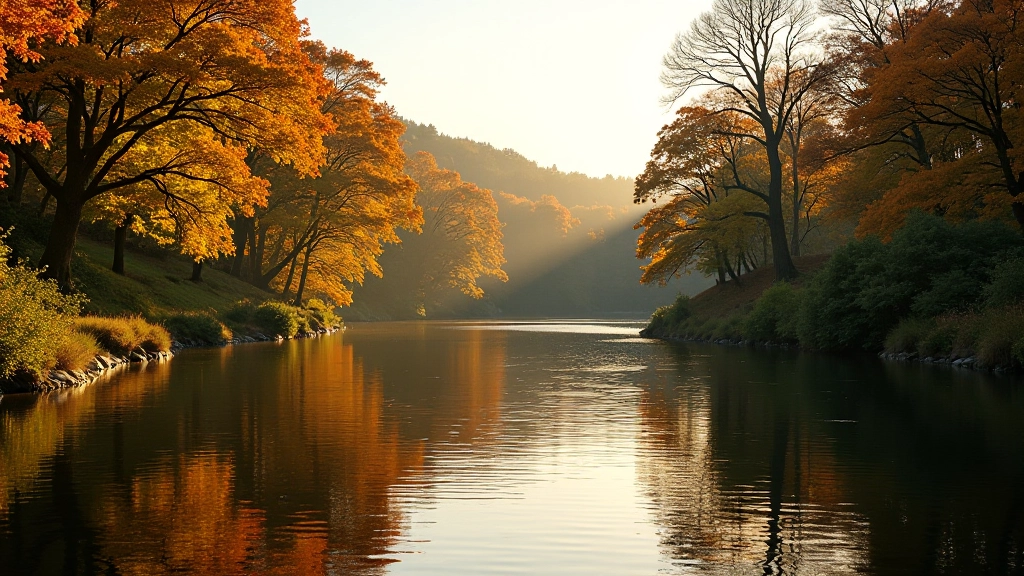
The riverside is cooler than the surrounding fields because of the water. You'll feel the temperature difference, especially if there's any breeze.
Early morning light on the water is magical, and you'll have the path mostly to yourself. By mid-morning on weekends, it gets busier.
There's no pace to maintain. Sit when you want. The benches aren't just there for necessity — they're there because this walk is about rhythm, not speed.
You'll see kingfishers if you're patient, herons fishing, and occasionally otters in the morning. Move slowly and quietly to get better sightings.
The path isn't a loop — you retrace your steps. If you get tired at the halfway point, you've got a known distance back. That's actually reassuring.
The views change constantly with light and season. You'll want to capture them, or at least pause and look properly.

The Riverside Path doesn't ask much of you. It doesn't demand fitness or speed or technical skill. What it does ask is that you show up and pay attention. That's not a low bar — it's actually what most people forget to do.
This walk works because it's simple. Flat ground. Water beside you. Views across to the abbey. Benches when you need them. It's not complicated, and that's its strength. You can think while you walk. You can be quiet. You can watch the river change color as the light moves.
Come in any season, any time of day. The path will be there, and it'll show you something different every time. That's what makes it worth walking again and again.
This article is provided for informational purposes to help you plan your visit to the Riverside Path at Jerpoint Abbey. While we've described the route and conditions as accurately as possible, walking conditions can change due to weather, maintenance, or seasonal factors. Always check current conditions before setting out, and use your own judgment about your fitness and ability to complete the walk. Wear appropriate footwear, bring water, and let someone know where you're going. If you have mobility concerns or health conditions, consult with your healthcare provider before undertaking this or any walk.