
Rest Points and Facilities
Everything you need to know about seating, shelter, and amenities along the Jerpoint Abbey walking routes
Comfort Along the Way
Walking through Jerpoint Abbey's grounds and riverside paths doesn't mean you'll be without comfort. We've installed rest points strategically throughout the main routes, and the visitor facilities are thoughtfully designed. Whether you need a quiet moment to catch your breath or access to essential amenities, you'll find what you need.
The trails we recommend for retirees and those wanting a gentler pace all feature regular seating, shelter options, and water access. We've designed these routes specifically so nobody feels rushed or uncomfortable.
Benches on main routes
Shelter areas with roofs
Water stations
Seating Throughout the Routes
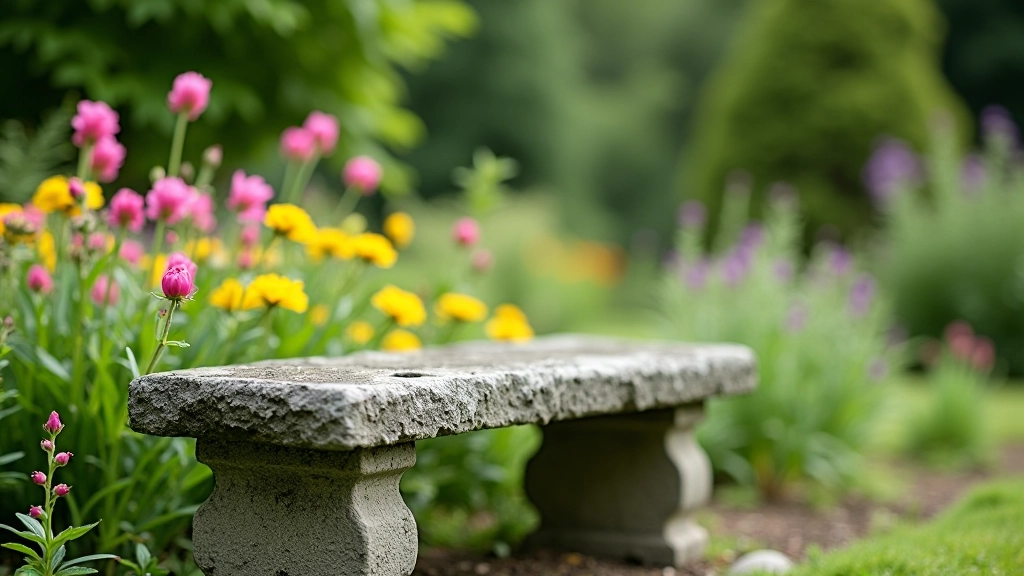
There's nothing worse than wanting to sit down and having nowhere to rest. That's why we've placed benches at natural pause points—usually every 150 to 200 meters on the main riverside path. They're not fancy, but they're solid and built to last.
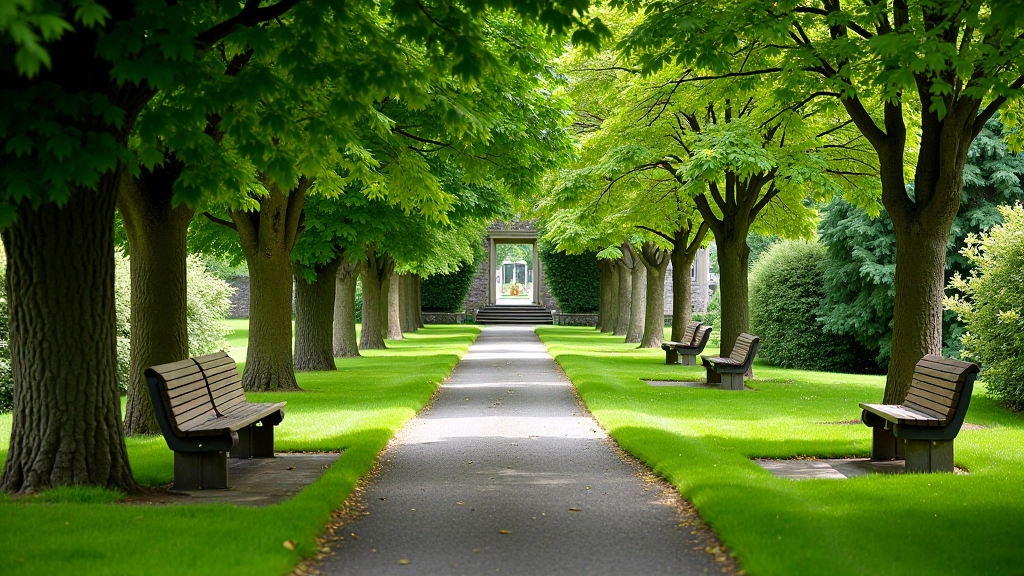
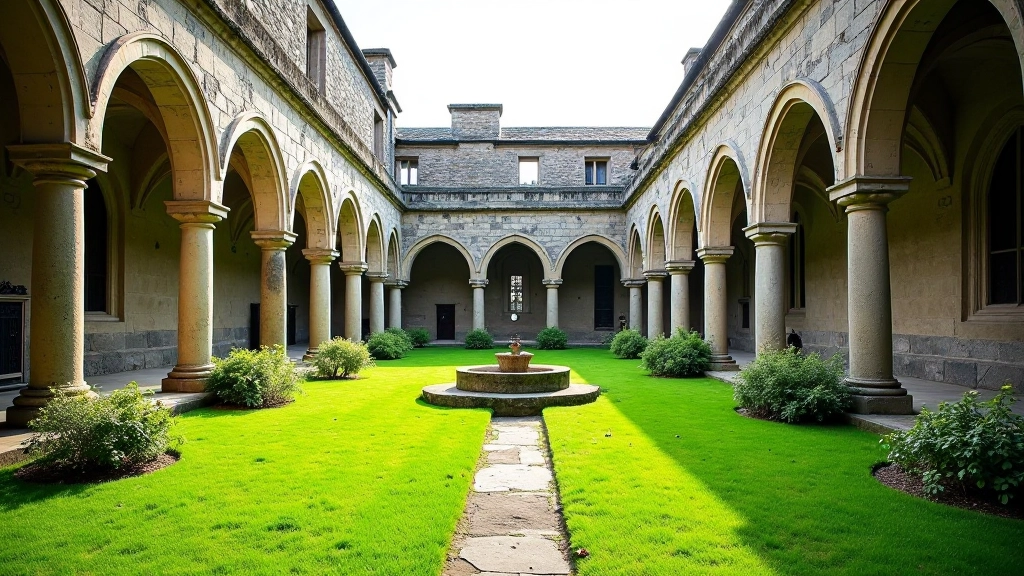
Most benches face interesting views of the river or the abbey ruins. You'll find them near the water's edge, tucked into the cloister areas, and along the gentle slopes where people naturally want to stop. Some are in dappled shade under mature trees, which is brilliant on warmer days.
What to expect:
- Stone and wooden benches, built for stability
- Most have backrests for proper support
- Positioned to face scenic views or the abbey
- Naturally shaded or in open areas depending on route

Sheltered Rest Areas
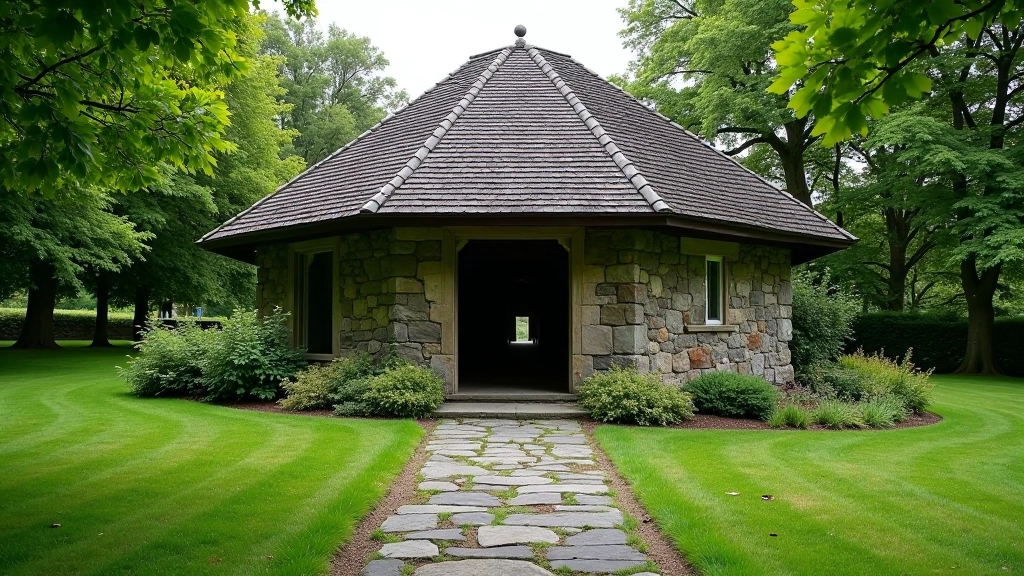
Ireland's weather can be unpredictable. That's why we've created four proper shelter areas with solid roofs. They're not enclosed—you'll still feel part of the outdoors—but they keep off the rain and wind when you need protection.
Each shelter has benches inside and is positioned at a point where walkers naturally gather. The cloister area has the most substantial shelter, and it's become a popular spot for groups to stop and chat. The riverside shelters offer excellent views while you're dry.
Don't skip these spots even on clear days. They're genuinely pleasant places to rest and take in your surroundings. On rainy days, they're absolute lifesavers.
Essential Visitor Facilities
Water Stations
Fresh drinking water at three locations along the main routes. The visitor center has bottled water available, and two refill stations are positioned on the longer walks so you're never more than 500 meters from water.
Restroom Access
Main facilities are at the visitor center and near the abbey entrance. We've made these fully accessible with handrails and proper lighting. They're clean and maintained throughout the day.
Information Points
Clearly marked maps and route information at the main entrance and two points along the longer routes. Staff are available during peak hours to answer questions about walking distances and difficulty levels.
Accessibility Features
Gentle gradient paths, wide walkways, and accessible rest areas throughout. The riverside route is fully wheelchair accessible with no steep sections. Mobility scooters are welcome.
Planning Your Rest Stops
The best walks are the ones where you're not stressed about where you'll rest next. Here's how we'd suggest approaching the routes: don't rush between benches. Stop when you feel like it, not because you have to.
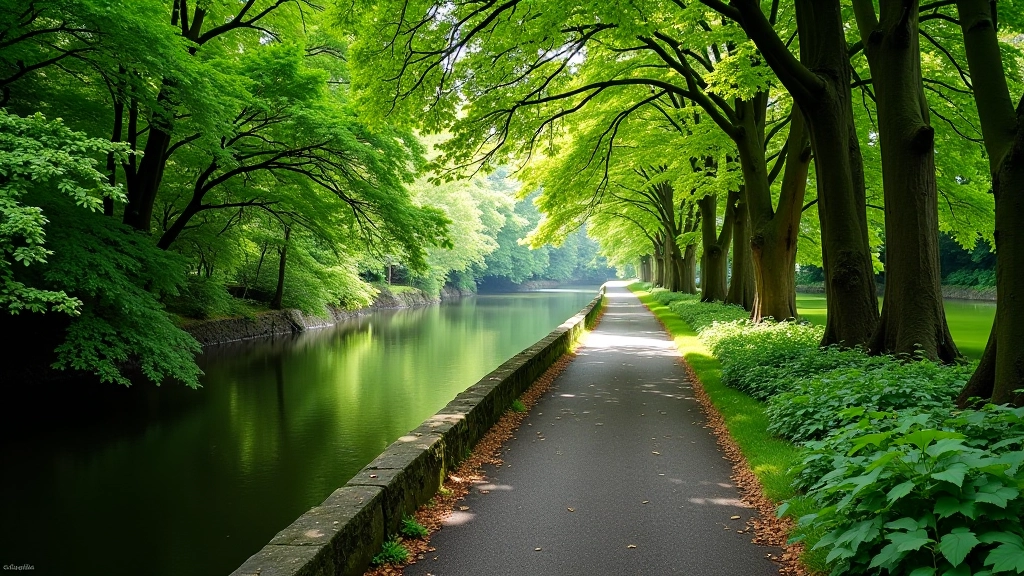
The riverside path has a bench roughly every 10-15 minutes of walking, so you're never far from a spot. The cloister walk is shorter but more immersive—most people spend time in each area rather than rushing through. The restored cloisters themselves are peaceful rest areas where you can sit and soak in the history.
We'd recommend bringing water even though stations are available. A small snack doesn't hurt either—there's nowhere to buy food on the walks themselves, though the visitor center café is a nice spot afterward.
Rest Point Tips for a Better Visit
Bring a Light Layer
Even on warm days, sheltered rest areas can be breezy. A cardigan or light jacket means you can sit comfortably without feeling cold.
Check Weather Before You Go
Irish weather changes quickly. If rain's forecast, you'll appreciate those shelter areas. If it's sunny, the shaded benches become precious.
Start Early in the Day
Walking in morning light means better views from your rest spots. You'll also avoid afternoon crowds around the main shelter areas.
Tell Someone Your Route
Basic safety—let someone know which walk you're doing and roughly how long you'll be. We've got staff around, but it's good practice.


Important Information
This article is provided for informational purposes about the walking routes and facilities at Jerpoint Abbey. While we've made every effort to ensure accuracy, conditions can change seasonally, and facilities may occasionally require maintenance. We recommend checking with the visitor center or calling ahead during winter months to confirm facility availability. Always wear appropriate footwear for outdoor walking, and consider your own fitness level when choosing routes. If you have mobility concerns or accessibility needs, speak with staff at the visitor center—they're experienced in helping visitors find routes that work best for them.